| ||
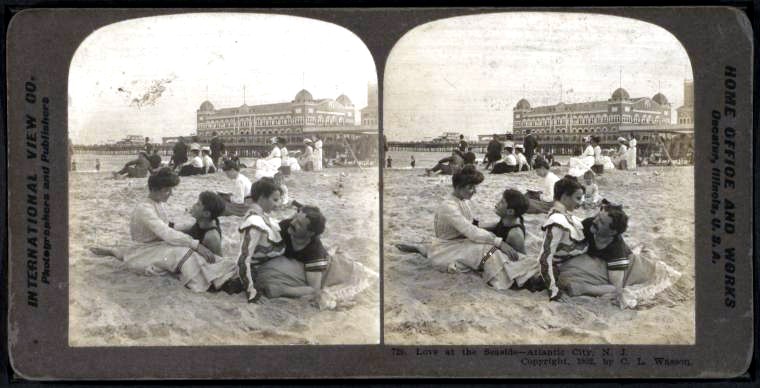
| The Philadelphia Mummers Parade 1909 (Courtesy of Library of Congress) |
The Mummers parade is held
each New Year’s Day in Philadelphia,
Pennsylvania. It is believed to
be the oldest folk festival in the US. The word “mummer” is derived from Momus, the Greek god of ridicule. The origins of the parade
were inspired by Old World customs brought by the various groups who settled in
Philadelphia, including the folk plays of the British Isles called Mummers’ Plays and the Swedish and
Finnish custom of visiting neighbors after Christmas. The parade began as early
as the 1870s, but it was not officially sponsored by the city for a number of
years. The first official parade occurred in 1901, and it has grown into a
unique and exciting tradition.
 |
| Images from the Mummers Parade 1917 (from The Philadelphia Evening Ledger, 01/01/1917) |
Many Philadelphians welcome
friends and family on New Year’s Day to watch the parade (in person or on TV),
and to eat and drink together. Staying warm is a priority; alcohol flows
freely, and big pots of soup are often made to feed hungry guests who may be
walking back and forth to the parade or visiting other friends and neighbors.
Traditional soups include beef vegetable soup and Pepper Pot, made with beef
tripe, vegetables, and black pepper.
 |
| Edward Chevers, Musical Director, Lobster Club (from The Philadelphia Evening Ledger, 01/01/1915) |
 |
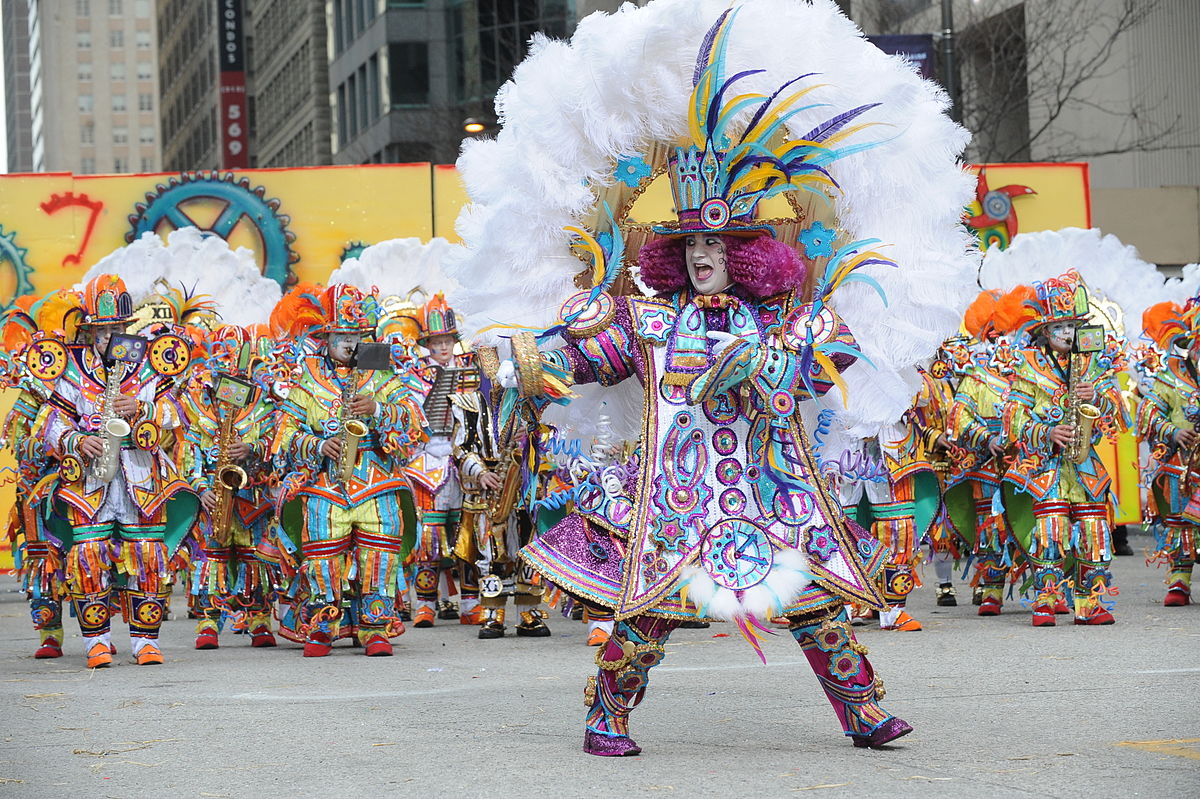
| Mummer's Parade 2011 (Photo by Carol M. Highsmith, courtesy of Library of Congress) |
Most Mummers clubs are
based in South Philadelphia, but a number of Mummers today (and their fans) live
in other parts of Philadelphia
and the local suburbs. Mummers are ordinary people, not professional
entertainers, but they put a lot of love and dedication into creating elaborate
costumes, routines and movable scenery each year, and feel a strong commitment
to their community.
 |
| Mummer's Parade 2011 (Photo by Carol M. Highsmith, courtesy of Library of Congress) |
The famous “Mummers’ Strut”, is performed
traditionally during the parade, and at many local weddings. Often Mummers
carry an umbrella or parasol while doing the Strut.
 |
| Charles Dumont, Lobster Club Captain Who Won Prize For Fancy Costume (from The Philadelphia Evening Ledger, 01/01/1915) |
Costumes are brightly colored, and decorated extravagantly
with sequins and feathers; face paint is often worn. Traditionally the Mummers,
their wives and friends made the costumes, but many of them are now made by
professional costumers. Gold colored shoes are often worn, in reference to the
parade’s unofficial theme song, “Oh Dem Golden Slippers” by James A. Bland.
Another
favorite Mummers tune is “I’m Looking Over a Four Leaf Clover, written by Mort
Dixon with music by Harry M. Woods.
 |
| Mummer's Parade 2011 (Photo by Carol M. Highsmith, courtesy of Library of Congress) |
Women were not allowed to
be Mummers until the 1970s, but some men have historically dressed in women’s
clothes during the parade. In recent years, this has mainly been done by the
humorous Wench Brigades, who clearly look like men in costume. But early 20th
century pictures, such as the ones below which appeared in The Philadelphia Evening Ledger on January 1, 1915, show men at the parade wearing fashionable dresses and shoes, more like
modern female impersonators.
 |
| Charles Bell, Famous for His Ballet Girl Impersonation |
 |
| E.W Dillon of Lobster Club |
Clubs today compete in one of
five categories called Divisions (Comics, Wench Brigades, Fancies, String Bands
and Fancy Brigades).
- The Comics dress as humorous characters or clowns, wearing colorful costumes and often carrying decorated parasols. They may be individual or group performers and children are often involved in this Division. Comics dance to prerecorded music and sometimes use floats. Often they reference politics and popular culture.
- The Wench Brigades are now their own Division but began as an offshoot of the Comics. Men dress humorously in women’s clothing, traditionally wearing dresses, bloomers and bonnets over long braided wigs. They often carry parasols and wear “golden slippers”.
- The Fancy Division focuses on elaborate costumes and floats called frame suits, and participants are judged on costume and presentation. Traditional themes are used and categories include King Clown, King Jockey, Handsome Trim, Handsome Costume and Fancy Trio.
- Mummers String Bands have a unique sound, combining excellent musicianship and elaborate costumes. The instruments that make up a string band are saxophones, banjos, accordions, violins, bass violins, drums and glockenspiel; no brass instruments are allowed. Each string band selects an annual theme, with an elaborate performance that includes precision drilling and choreography.
- The Fancy Brigades evolved from the Fancy Division. They perform inside, and present a choreographed four and a half minute themed performance with elaborate costumes, sets and props, and dancing reminiscent of a Broadway or Las Vegas Show.
 |
| Costumes at The Mummers Museum, Philadelphia, PA (Photo by Carol M. Highsmith, Library of Congress) |
Visit www.phillymummers.com to find out
more. The Mummers
Museum website www.mummersmuseum.com also contains
many photos and information about the Mummers past and present. Individual
clubs also have their own websites
 |
| Youngest New Year Mummer in Parade Today--"Buddy" Backich 3 yrs. old, Mascot of the Lobster Club (from The Philadelphia Evening Ledger, 01/01/1915) |
Many modern traditions at
the holiday season have ancient origins and symbolism. At the winter solstice,
in the darkest and coldest days of the year, people have always craved light,
warmth and fellowship. From the European pagan Yule and the Roman Saturnalia to
the Jewish Hanukkah and the Christian and (often secular) Christmas, these
celebrations have helped people to pass the long nights, connect to one
another, and offer hope for the future and the spiritual triumph of light over
darkness. Of course, for people living in the Southern hemisphere, the holidays
fall in summer, instead of winter.
 |
| Mummer's Parade 2011 (Photo by Carol M. Highsmith, courtesy of Library of Congress) |
During Saturnalia, the ancient Roman festival in honor of
the deity Saturn, which was held in December, there were religious observances
and well as public and private festivals. Schools and courts were closed and
special clothes were worn. There was feasting, drinking and gift-giving and a
general carnival-like atmosphere. Roman social norms were temporarily
overturned. For example, gambling was permitted and slaves were waited upon by
their masters.
 |
| The Philadelphia Mummers Parade 1909 (Courtesy of Library of Congress) |
Many later European and
American holiday customs grew from the spirit and traditions of the ancient
festival of Saturnalia, as well as from Christian religious inspiration. The following article from 1914 gives an overview of some of the
origins of what came to be known as “mummery” in Britain
and Ireland, part of the historical roots of the Philadelphia Mummers and other American
New Year’s traditions.
 |
| Float from the Mummers Parade 1915 (from The Philadelphia Evening Ledger, 01/01/1915) |
Happy New Year Customs— Celebrations of the Mummers in
Olden Days in England
In England
the mummers performed plays, spoke dialogues and impersonated famous people,
especially kings and warriors. Songs were sung both by the mummers and their
entertainers. Here is one:
To shorten winter's
sadness
See where the folks
with gladneas
Disguised all are
a-coming
Right wantonly a-mumming.
In those days they loved, too, to masquerade as
animals, bears and unicorns being especially favored disguises. Scott's couplet
summed it up:
Who lists may in their
mumming see
Traces of ancient
minstrelsy.
At last
this mumming came to be a (seen as) a menace as well as a nuisance and (in the
16th Century) King Henry VIII made it a misdemeanor to wear a mask.
It was George Washington who made the day
what it once was in this country. Said he: "Never forget the cheerful and cordial
observance of New Year's day." The celebration grew and grew, until a
generation or so ago, the scenes enacted at some receptions were simply disgraceful,
society having progressed some since it was good form to imbibe until the imbiber
quietly slid under the table.
Of late years
there has been a tendency to revive (the custom of) visiting on the first day
of the year. But it is all very informal, and every hostess knows each and
every one of her guests, which was not always the ease when it was the fashion
to have as many as possible…
--from the Anderson Daily Intelligencer,
Anderson,
S.C., 12/18/1914